






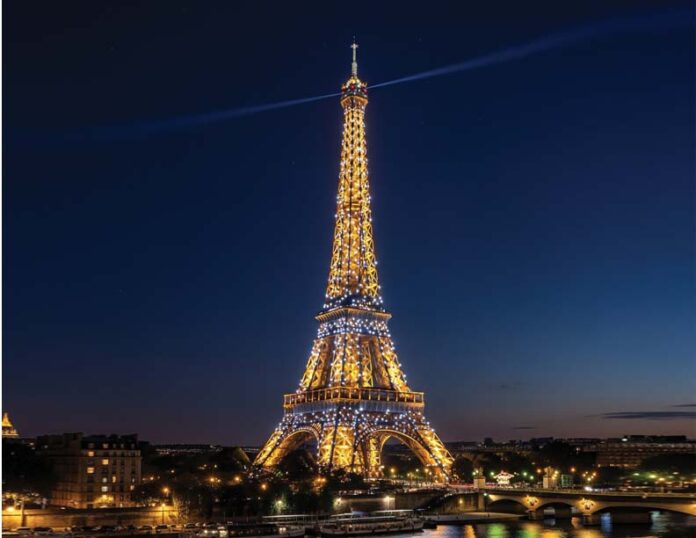
Within their walls, they hold the whispers of civilizations, the artistry of craftsmen, and the spirit of eras long past. Yet, as daylight fades, many of these narratives fall into silence, hidden in the darkness. It is here that lighting steps in, not just as a practical necessity, but as a powerful storyteller, breathing new life into heritage.
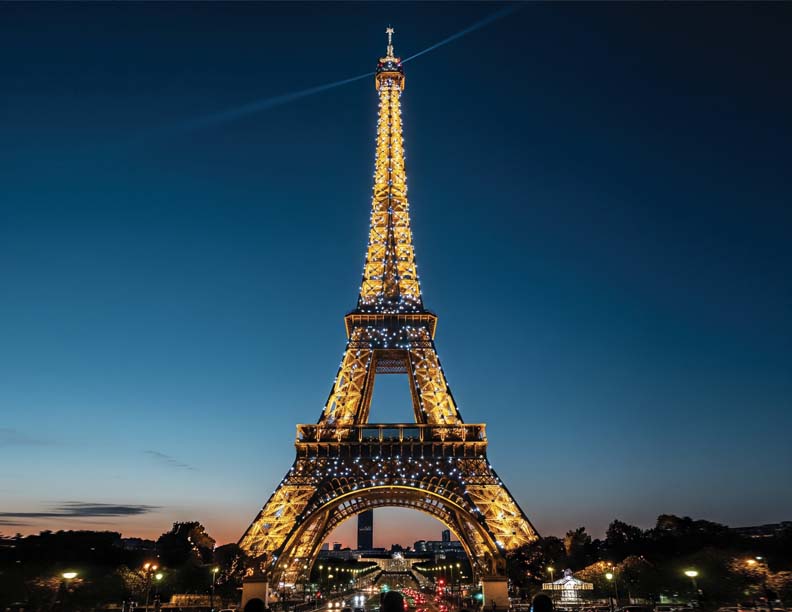
Thoughtfully designed heritage and monument lighting has the power to reawaken history, celebrate culture, and create meaningful connections between people and place. Lighting reveals textures and details often overlooked in daylight, guiding visitors to appreciate the craftsmanship, scale, and symbolism embedded in architecture. It has the ability to transform a structure into an immersive experience inviting tourism, evoking emotion, and strengthening civic pride.
But lighting heritage is not simply about illumination; it is about responsibility. Each beam of light carries cultural weight, demanding a sensitive balance between preservation and innovation. Designers must consider not only aesthetics but also sustainability, energy efficiency, and the impact on fragile materials and ecosystems. The goal is to honour authenticity while using technology to enhance storytelling, creating an experience that respects the past and inspires the future.

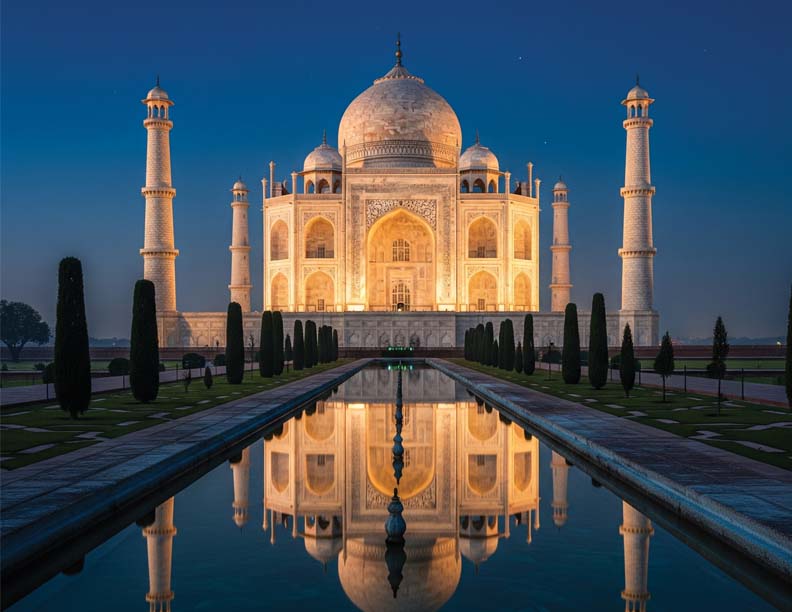
In this way, monument lighting becomes a bridge connecting generations, fostering appreciation, and turning architectural landmarks into beacons of history. When done with care, it elevates these treasures beyond their physical form, allowing them to shine as symbols of identity, resilience, and shared heritage for all who behold them.
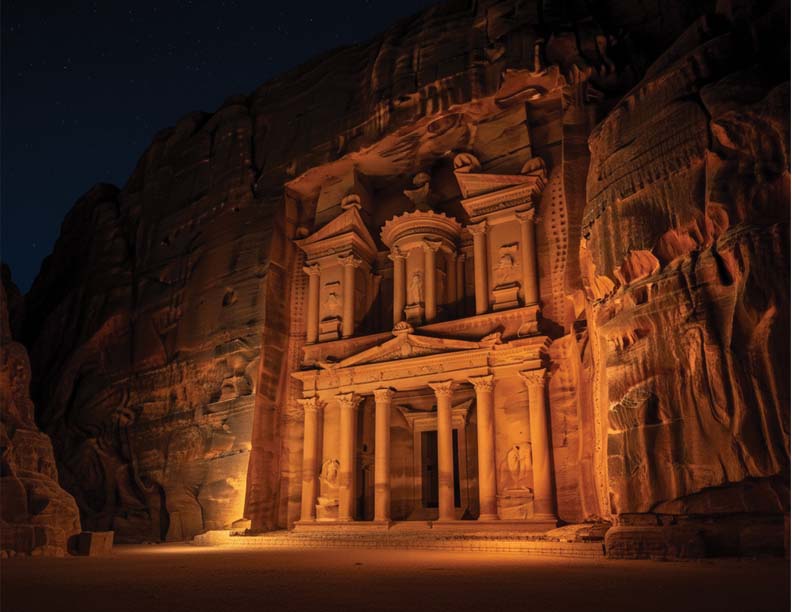
In the words of many designers, lighting is not about making monuments brighter it is about making their stories visible.
Light as Emotion: The Experiential Value of Heritage Lighting
Imagine standing before the Taj Mahal under a full moon. Now imagine the same monument revealed through carefully orchestrated lighting soft washes of warm light gently grazing its marble domes, subtle highlights tracing the calligraphy, and a reflection shimmering in the water channel. The experience is no longer just about seeing a monument, but about feeling its timelessness.
Lighting shapes emotion. It creates atmosphere, mood, and drama. It determines whether a monument feels sacred, majestic, mysterious, or welcoming. For visitors, lighting transforms a physical visit into a personal journey. For locals, it revives pride in cultural roots. For a city, it enhances identity, giving its skyline a signature after dark.
Without light, heritage risks invisibility. With careless light, heritage risks distortion. But with thoughtful light, heritage becomes alive not only preserved but also celebrated.
Preserving Culture Through Light
Preservation is often associated with stone, mortar, and conservation science. But in the 21st century, preservation also includes visibility and relevance. Monuments that remain hidden in darkness after sunset risk being forgotten in modern urban life. Lighting provides them a stage where they remain part of the collective memory.
- Yet preservation through lighting must tread a delicate balance:
- Respecting authenticity – Light should never overpower or alter the essence of a monument.
- Enhancing craftsmanship – By highlighting carvings, textures, or details, lighting educates viewers about architectural mastery.
- Storytelling through symbolism – Color temperatures and contrasts can be aligned with cultural meanings (e.g., warm golden tones for sacred temples, cool whites for contemporary memorials).
- Safeguarding the structure – Advanced LEDs and precise optics ensure minimal heat and UV damage to fragile surfaces.
In this sense, lighting becomes part of the heritage conservation process, preserving not just the physical, but also the cultural presence of a monument.
Creating Experiences: Heritage as Living Spaces
Monuments are not static museums; they are living spaces. Festivals, cultural events, and tourism activities often revolve around them. Proper lighting makes monuments accessible and enjoyable beyond daylight hours, supporting both cultural continuity and economic vitality.
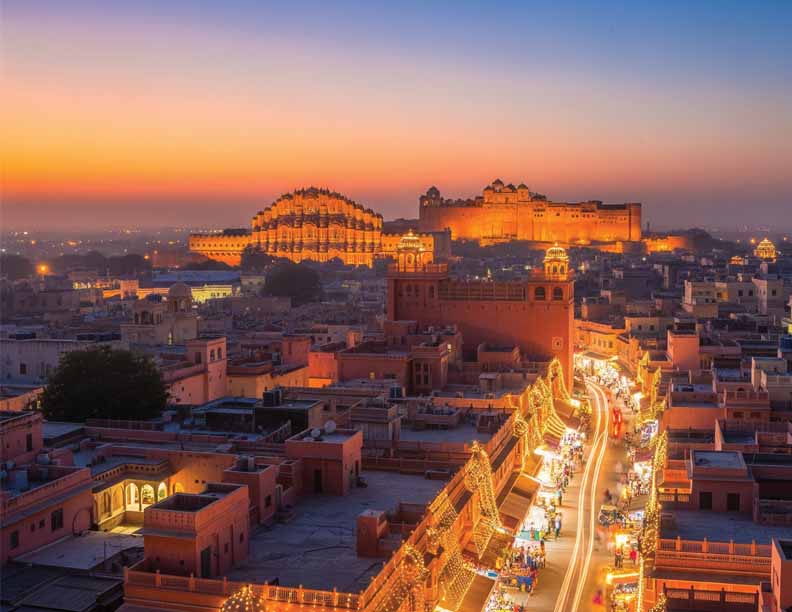
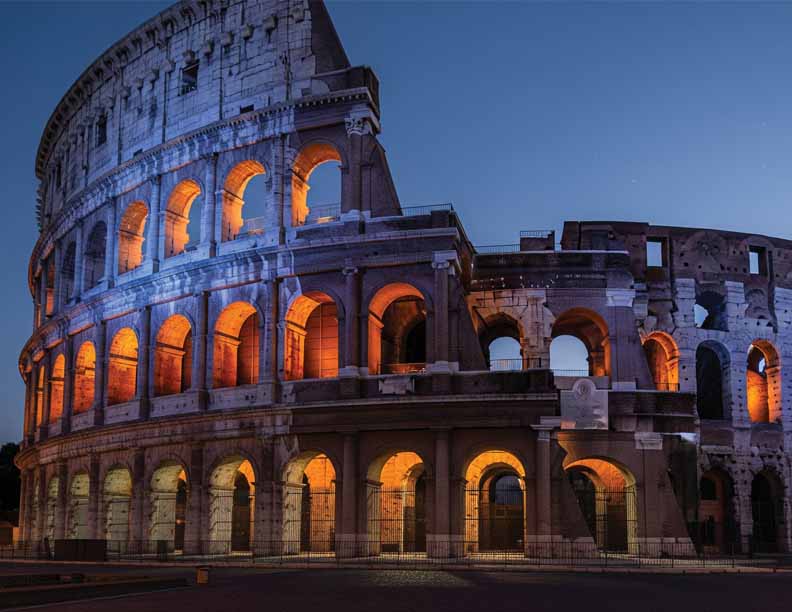
- Tourism Boost: Nighttime tourism thrives on heritage lighting. Cities like Paris, Rome, and Jaipur have built entire identities around illuminated monuments.
- Community Connection: Lighting invites local residents to engage with their history, making monuments part of daily life rather than remote relics.
- Event Programming: Through dynamic lighting, monuments can become canvases for festivals, national celebrations, or light-and-sound shows that narrate history in immersive ways.
Ultimately, heritage lighting turns monuments from passive backdrops into active cultural actors spaces where the past meets the present, and communities reconnect with their roots.
The Designer’s Role: Crafting with Responsibility
Lighting designers stand at the intersection of art, science, and cultural stewardship. Their role is not simply to install fixtures but to craft an experience that respects the monument’s essence. The responsibility is immense: one wrong choice in intensity, angle, or color can permanently alter the way a monument is perceived.
A good designer asks:
- How can light reveal, not conceal, craftsmanship?
- How can modern technology serve heritage without overpowering it?
- How can lighting enhance safety and accessibility without compromising authenticity?
- How can the beauty of night coexist with the principles of sustainability?
For designers, heritage lighting is not about imposing an external vision but about listening to what the monument itself is trying to say.
Challenges in Heritage Lighting
Designing for heritage is often more complex than designing for new construction. The following challenges make it both demanding and rewarding:
- Historical Sensitivity: Every monument is a custodian of history, and with that comes strict conservation guidelines. Lighting design for heritage structures must prioritize minimal intervention fixtures should be discreet, reversible, and installed without causing any physical damage. The aim is to complement, not compete with, the monument’s character. By using subtle integration techniques, designers preserve the authenticity and integrity of centuries-old craftsmanship while making the site visually accessible after dark.
- Environmental Concerns: The magic of lighting must never come at the expense of the environment. Excessive brightness, glare, and poorly directed beams can disrupt nocturnal wildlife, wash out the night sky, and diminish a monument’s ambiance. Adopting Dark Sky principles and sustainable design practices ensures lighting remains functional and beautiful while respecting natural rhythms. Modern solutions such as shielded luminaires, adaptive lighting controls, and reduced color temperatures help strike a balance between illumination and ecological harmony.
- Cultural Context: Heritage lighting is as much about cultural interpretation as it is about design. What feels dramatic and celebratory in one culture could be seen as disrespectful or excessive in another. Designers must approach every project with cultural sensitivity, working closely with historians, archaeologists, and local communities to ensure that light becomes a respectful storyteller one that reflects the monument’s cultural identity rather than imposing a foreign aesthetic.
- Technical Complexity: Designing for heritage sites presents unique technical challenges. Uneven surfaces, large-scale facades, intricate carvings, and delicate materials require precision optics and specialized equipment. Lighting systems must be adaptable, often involving custom mounting solutions, advanced beam shaping, and cutting-edge controls to achieve uniformity without overwhelming the structure. In this way, technology becomes a silent ally, revealing detail while safeguarding heritage.
- Maintenance & Sustainability: Many heritage sites, particularly those managed by government bodies or trusts, operate under limited maintenance budgets. Lighting systems must therefore be energy-efficient, durable, and simple to service. LEDs, smart controls, and modular fixtures have become industry standards, reducing operational costs while extending system lifespan. Sustainability also extends beyond energy savings it’s about designing lighting that future generations can inherit without burdening resources or compromising heritage integrity.
These challenges demand innovation, empathy, and collaboration qualities that define the best heritage lighting projects.
Tools & Techniques: Lighting the Past with Modern Technology
The evolution of lighting technology has been a blessing for heritage. Gone are the days of harsh floodlights that flattened facades. Today, designers employ:
- LEDs with precision optics – Offering control, longevity, and minimal heat.
- Color temperature tuning – Warm tones to evoke timelessness, cool whites for clarity.
- Concealed fixtures – Hidden within landscaping, plinths, or architectural details to keep the focus on the monument, not the hardware.
- Dynamic lighting controls – Enabling adaptive scenes for festivals, special occasions, or storytelling sequences.
- Sustainable systems – Solar-powered lighting, smart controls, and energy-efficient design align with climate goals.
These tools empower designers to be invisible artists ensuring the audience sees only the monument, not the technology.
Case Studies: Monuments in Light
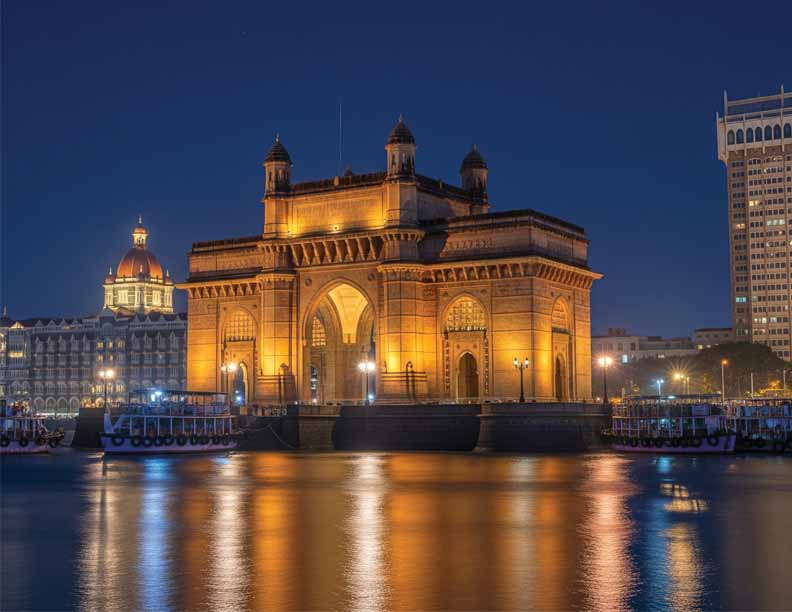
- Gateway of India, Mumbai: Sensitive façade lighting highlights colonial-era architecture, creating a civic landmark after dusk.
- Qutub Minar, Delhi: Layered lighting showcases the monument’s height while preserving its intricate carvings.
- European Cathedrals: From Notre Dame in Paris to Cologne Cathedral in Germany, lighting brings sacred grandeur alive, balancing reverence with spectacle.
- Petra, Jordan: Candlelit pathways and soft accent lighting create an ethereal experience, blending nature, heritage, and ritual.
Each case demonstrates how lighting can shift perception from the monumental to the intimate, from the physical to the emotional.
Sustainability: Preserving the Night as Well as the Monument
True heritage lighting not only preserves culture but also protects the environment. Excessive or careless lighting contributes to energy waste, light pollution, and ecological harm. Designers today embrace sustainability through:
- Dark Sky compliance to reduce skyglow
- Energy-efficient LEDs to minimize consumption
- Smart controls to dim or switch off lighting during low visitor hours
- Solar integration for remote or fragile heritage sites
This sustainable approach ensures that monuments remain not just visible, but responsibly celebrated.
The Future of Heritage Lighting
As technology advances, heritage lighting is entering an era of immersive storytelling. Projections, augmented reality, and interactive light shows allow monuments to narrate their own histories. Yet, the core principle remains the same: light must serve heritage, not overshadow it.
Future trends will likely include:
- Smart, sensor-driven lighting that adapts to visitor movement.
- Augmented reality layers that reveal lost details without touching the monument.
- Data-driven conservation using lighting as both illumination and monitoring tool.
The challenge will be to embrace innovation while maintaining respect for authenticity.
Conclusion
Heritage and monument lighting is not about creating spectacle; it is about stewardship. It is the thoughtful act of safeguarding memory, honouring craftsmanship, and crafting experiences that allow generations to connect with their shared history. When designed with intention, lighting becomes a subtle yet powerful language one that amplifies the voice of monuments without altering their essence. Each beam of light becomes a brushstroke, painting stories onto stone, metal, and wood, ensuring that these testaments to human achievement continue to resonate long after dusk.
Ultimately, light becomes the bridge between past and present. It transforms a crumbling fort into a majestic sentinel, a centuries-old temple into a glowing spiritual anchor, and an entire cityscape into a living museum that does not slumber when the sun sets. For visitors, lighting creates an unforgettable emotional encounter with history a chance to see heritage not as static relics, but as vibrant cultural touchstones. For communities, it fuels a sense of belonging and civic pride, turning historic spaces into symbols of identity and continuity. And for lighting designers, it is both an art and a profound responsibility: to shape light in a way that preserves authenticity, celebrates beauty, and writes history into the night sky.
In this sense, heritage lighting is not merely technical work; it is cultural storytelling. It invites us to see monuments not just as physical landmarks, but as luminous narratives bridges that connect us to those who came before, while inspiring those yet to come.
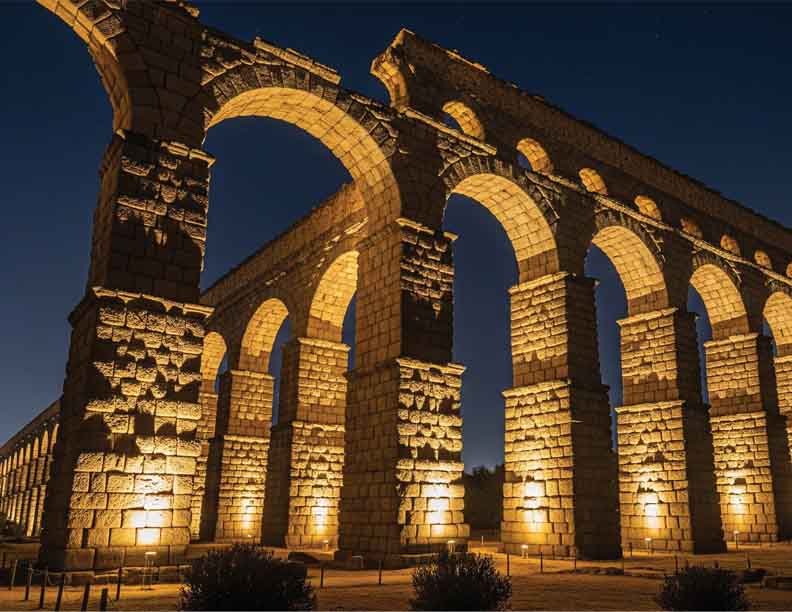
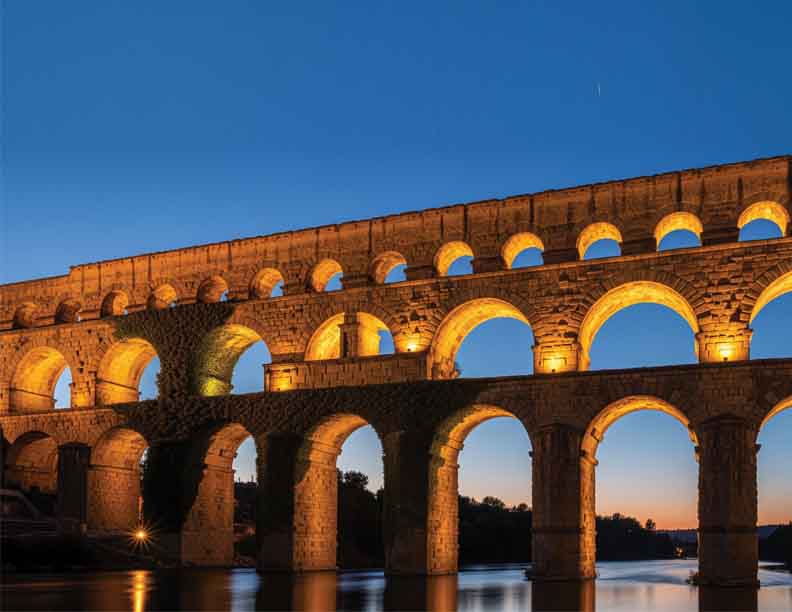
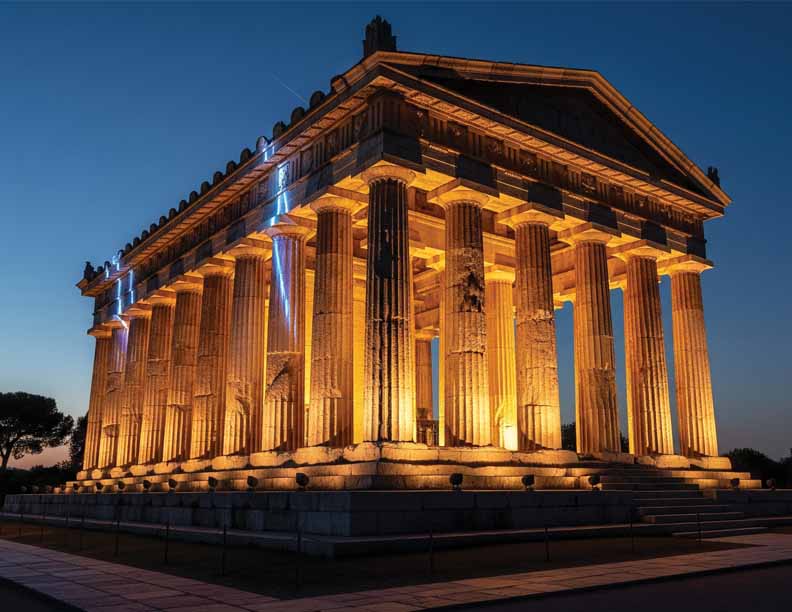
The images used in this article are a visual representation of Monumental Lighting.

Sandeip Anand (M.A Lighting Design Germany) is the Director at AIMS Lighting Design, Mumbai having professional lighting experience of more than 20 years.