




Yet in the pursuit of realising this excellence, the crucial role of lighting design is often underestimated and overlooked. The core idea of this article is to explore these multi-faceted aspects of lighting for residences.
Beyond Illumination
As the interior environment transitions from a dynamic daylight throughout the day to artificial lighting set-up in late evening, the most common expectation is visual recognition of the spaces. But residential lighting is more about focusing on enhancing the space perception, than flooding spaces through standard grid-setup. The underlying aspects key to a good lighting area – using precision engineered optics, health & well-being, technological innovation, artistic outlook, & sustainability.
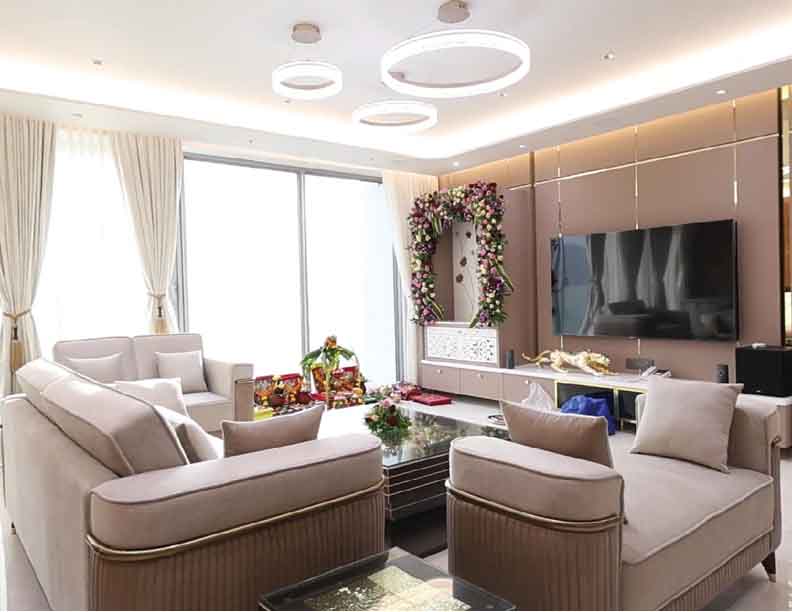

Precision Optics:
- Over the years, optical technology has advanced significantly, and its correct application can greatly enhance light quality, minimize stray, or spill light affecting adjacent areas, and—most importantly—improve UGR performance.
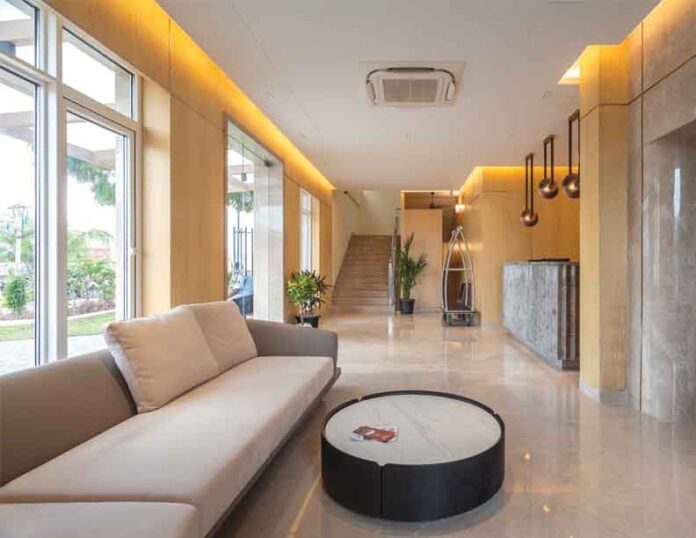
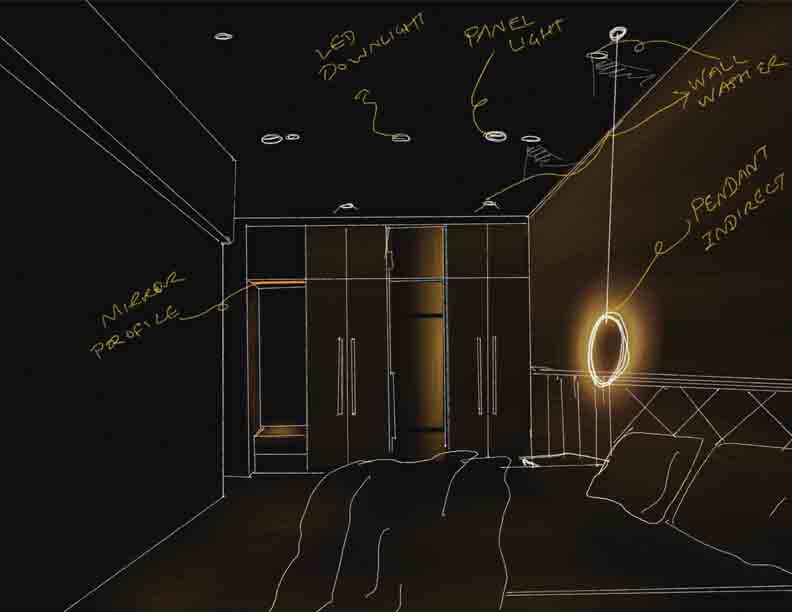
- Controlling glare is critical, as excessive glare can lead to eye strain, fatigue, and long-term visual discomfort. Wherever possible, avoid using panel lights that flood interiors with uniform diffusion yet appear as overly bright spots, causing discomfort glare. They are not recommended for quality lighting design. Instead, opt for low-glare, anti-glare, or deep-recessed fixtures with appropriate beam angles to meet the space’s requirements while ensuring visual comfort.
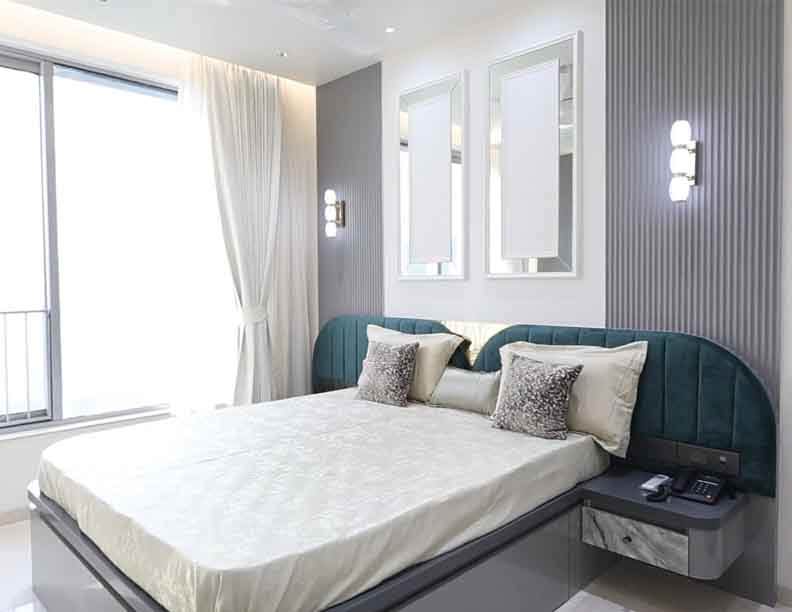
Health & Well-being:
- In our daily routines, we are typically conscious of the visual benefits of lighting—how it helps us perform tasks, read, work, and navigate our spaces. However, what often goes unnoticed are the non-visual impacts of light and its profound influence on the human body.
- Modern LEDs offer a range of standard CCTs & tuneable versions, yet we frequently see inconsistent selections across different rooms—an undesirable scenario. Such variations during room-to-room transitions can cause subtle visual discomfort and even psychological effects. Lighting directly influences our circadian rhythm, which regulates melatonin production, hormonal balance, and mood. Disruption—especially from prolonged exposure to harsh artificial light or excessive blue spectrum—can impact health & well-being.
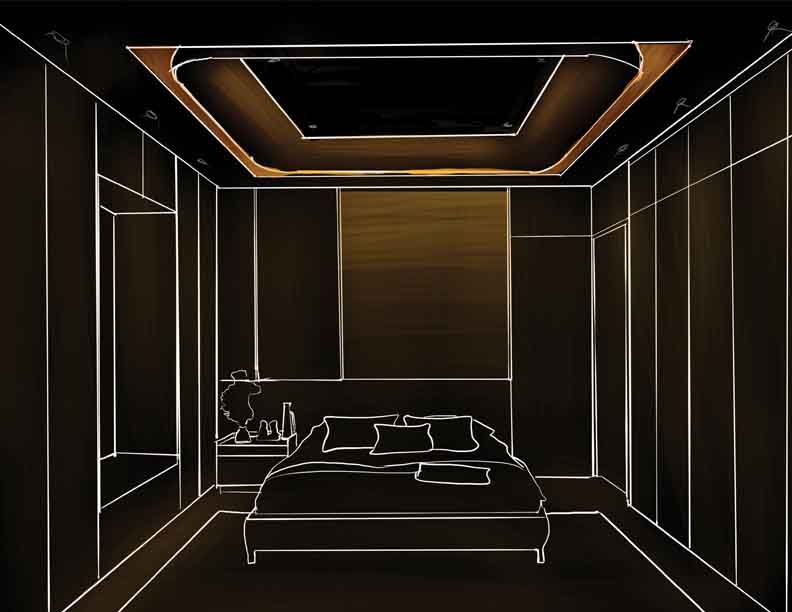
Technological Innovation:
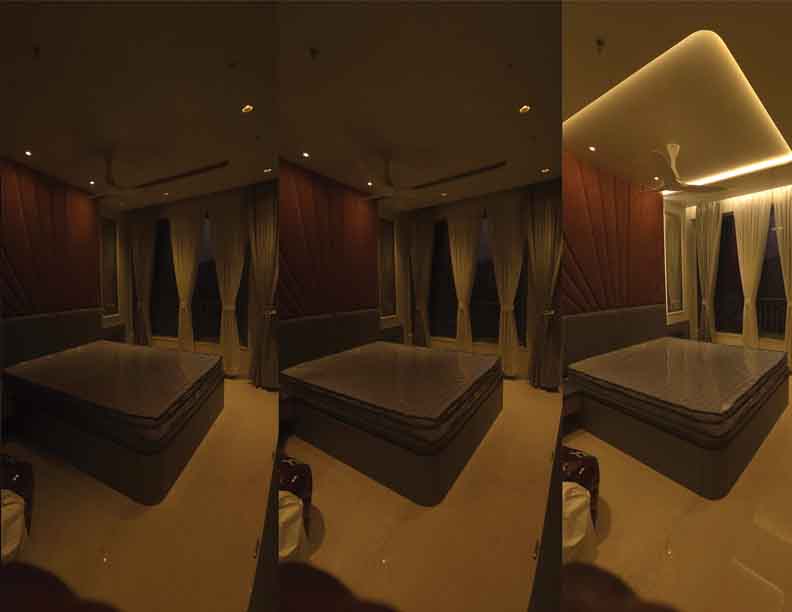
- Advancements in lighting technology now allow far greater personalization than ever before. While it may take time to adapt to these systems, they offer the flexibility to create varied scenes and moods tailored to different activities. After years of static lighting, such dynamic options may feel complex at first, but they undeniably add value to a project.
- Human-centric lighting, tuneable white, adjustable optics, intensity dimming, flexible magnetic tracks, and a wide array of surface or recessed systems each bring their own unique benefits, enhancing both function and experience. Ease of operations through mobile apps, or in form of modern compact panels, the interior ambience can be tailormade to suit any mood or activity
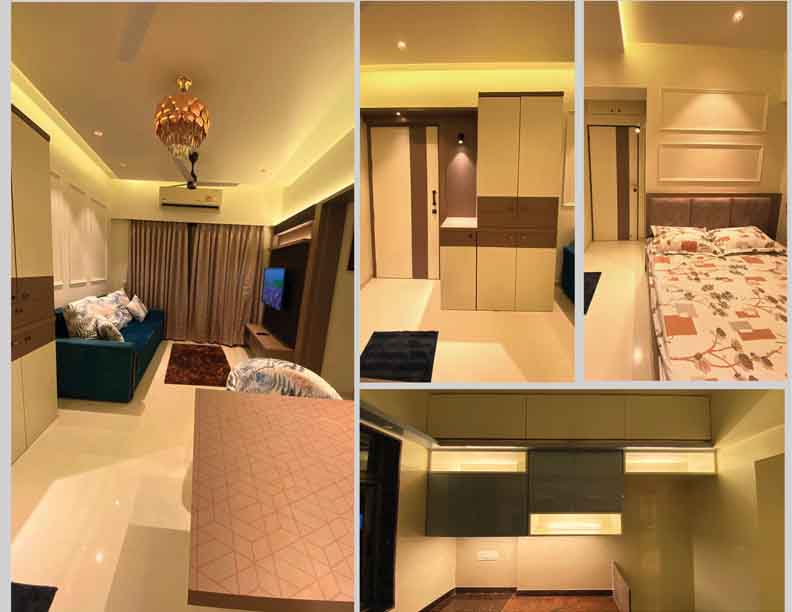
Artistic Outlook:
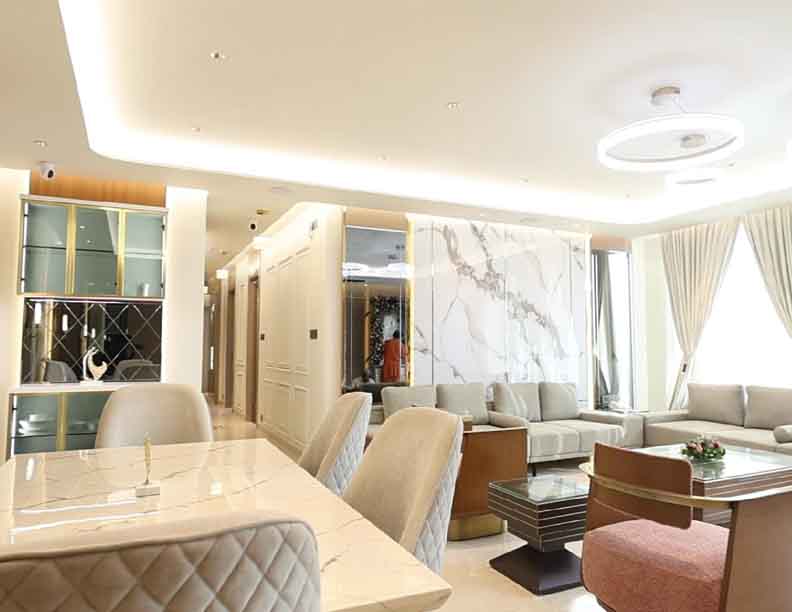
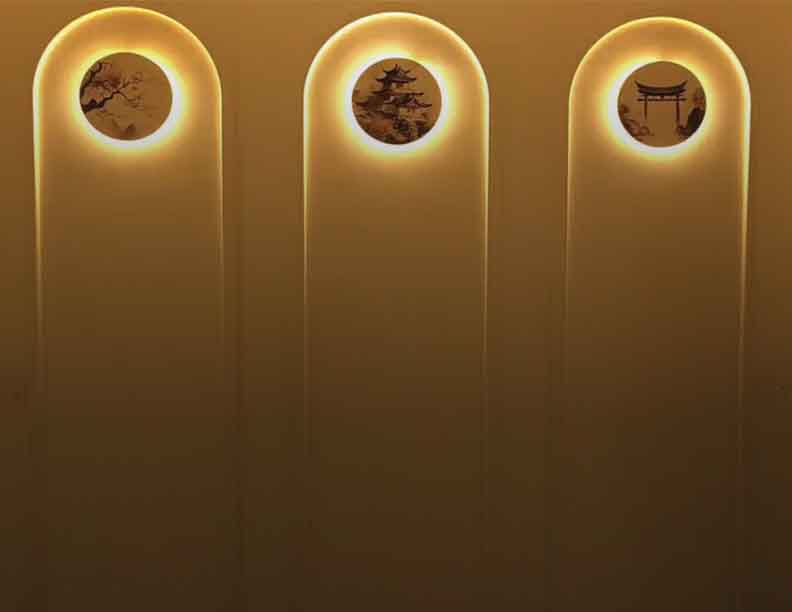
- The evolution of compact, flexible LED technology has opened new horizons for creative lighting design. Their adaptability allows designers to go beyond conventional fixtures, using light as an expressive medium rather than just a functional element. When seamlessly integrated into materials such as glass, fabric, wood, or concrete, LEDs enable the creation of bespoke installations that are truly tailored to a project’s vision.
- This flamboyant fusion of light and material can transform spaces into immersive environments—whether it’s accentuating architectural textures, weaving light patterns into fabrics, or embedding illumination within structural elements. Such approaches not only elevate aesthetics but also create a signature identity, making each project one-of-a-kind.
Sustainability Aspect:
- A common trend in modern lighting design is the tendency to over-light spaces—often by specifying systems that accommodate multiple fixture types, far exceeding actual requirements. While aesthetics is important, prolonged exposure to overly bright environments is neither sustainable nor comfortable in the long run.
- A layered lighting approach—combining ambient, accent, and task lighting—remains a more balanced solution. It not only meets functional and aesthetic needs but also allows for scene flexibility, reducing energy use and promoting long-term visual comfort.
Fixture Quality & Maintenance:
- Residential spaces are private and have limited access once clients move in. Frequent repairs or even minor issues—such as colour shifts, voltage drops, or flickering—can cause significant inconvenience.
- Choosing product & installation teams that ensure reliability, clarity, and strong after-sales support is essential for long-term satisfaction. Unlike commercial projects with dedicated maintenance teams, residential projects rarely have the capacity for routine checks or rework, making quality and durability critical from the outset.
While factors such as installation expertise, automation guidance, correct ingress protection ratings, and seamless integration of lighting within architectural elements are all critical to achieving a compelling ambience, this article focuses on exploring dimensions of lighting design that go beyond simple illumination metrics. True residential lighting excellence is not defined by lux levels alone—it lies in creating an environment where visual comfort, aesthetic harmony, and functional adaptability work together to elevate the living experience.
Our Approach at Space Lumens
At Space Lumens, we collaborate closely with architects, designers, and clients to deeply understand the unique requirements of each space. Our process prioritizes creating tailored visual experiences over simply achieving target lux levels on a lighting plan.
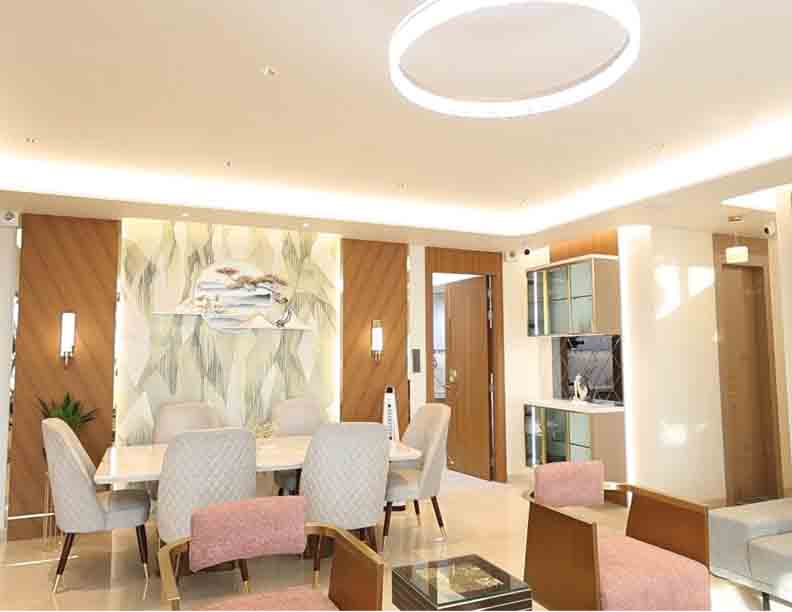
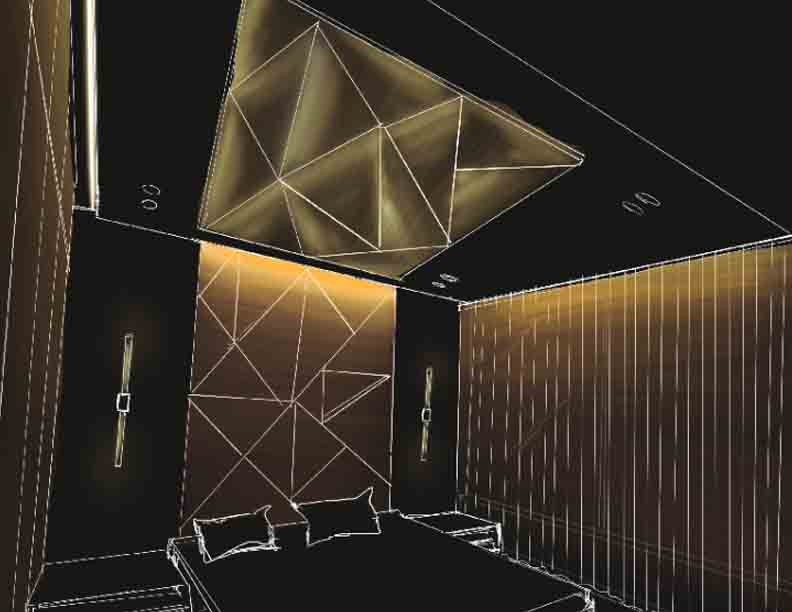
Light, by nature, is formless and flexible—it takes on meaning only through our interaction with it. Every beam, shadow, and reflection shapes how we perceive and connect with a space. We believe that by thoughtfully accentuating architectural features, textures, and moods, lighting can do more than just illuminate; it can elevate interiors, evoke emotion, and complement the design narrative of a home.

Sivasankar is a lighting consultant at Space Lumens with a Master’s in Architectural Lighting from the University of Wismar, Germany. He specializes in heritage lighting and holds a Certified European Lighting Expert qualification, backed by 10 years of experience across various lighting design projects.