




Today, the lighting industry stands at a critical point where environmental responsibility and technological innovation intersect. As a lighting consultant, I witness firsthand how LED technology and green lighting practices are transforming the built environment. This shift is not merely a technological upgrade; it represents a broader movement toward sustainability, energy efficiency, and responsible design.
The Evolution of Lighting
For more than a century, conventional lighting technologies such as incandescent and halogen lamps dominated residential, commercial, and industrial spaces. While these sources provided adequate illumination, they were notoriously inefficient. A large portion of the energy consumed by incandescent lamps is converted into heat rather than visible light, making them environmentally and economically costly.
The introduction of Compact Fluorescent Lamps (CFLs) offered a partial solution by reducing energy consumption and extending lamp life. However, CFLs had limitations including mercury content, slow start times, and
inconsistent color rendering. These challenges paved the way for the widespread adoption of light-emitting diode (LED) technology, which has now become the cornerstone of modern lighting design.

LED lighting represents one of the most significant breakthroughs in lighting technology. Unlike traditional light sources that rely on heated filaments or gas discharge, LEDs generate light through electroluminescence in semiconductor materials. This fundamental difference results in dramatically improved energy efficiency, longer operational life, and greater design flexibility.
Understanding LED Technology
LEDs convert electrical energy directly into light with minimal energy loss. As a result, they can achieve energy savings of up to 80–90 percent compared to traditional incandescent lighting. In practical terms, this means lower electricity consumption, reduced operational costs, and a smaller carbon footprint.
Another major advantage of LED technology is its longevity. While a typical incandescent bulb may last approximately 1,000 hours, high-quality LED luminaires can operate for 50,000 hours or more. From a consultant’s perspective, this longevity translates into reduced maintenance requirements, particularly in large facilities such as offices, shopping malls, hospitals, and industrial buildings where replacing lamps frequently can be costly and disruptive.
LEDs also offer exceptional versatility. They can be engineered to produce a wide range of color temperatures, from warm tones that replicate traditional incandescent lighting to cool daylight tones suitable for task-oriented environments. In addition, LEDs support advanced dimming capabilities and integration with smart control systems, enabling dynamic lighting solutions tailored to specific user needs.
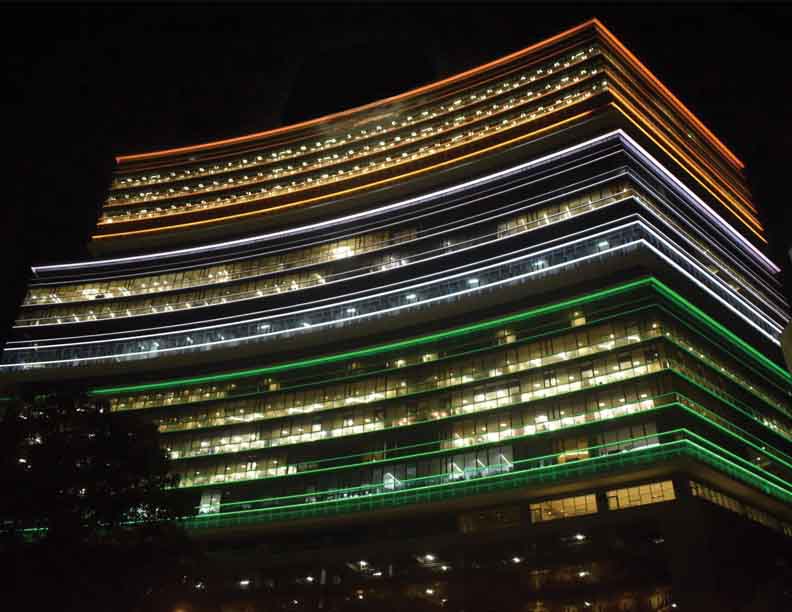
The Concept of Green Lighting
Green lighting extends beyond the use of efficient light sources. It represents a holistic approach to lighting design that prioritizes environmental sustainability, energy conservation, and occupant well-being. As lighting consultants, our role is to balance technical performance with ecological responsibility.
A green lighting strategy typically includes several key principles:
- Energy Efficiency: Minimizing energy consumption through high-performance lighting technologies such as LEDs.
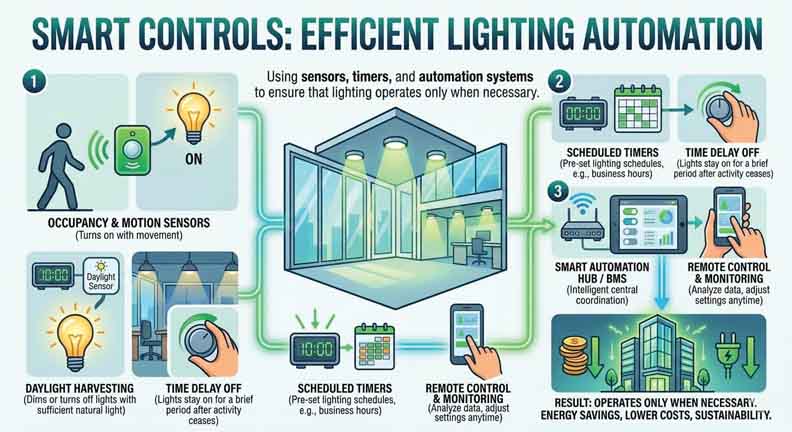
- Smart Controls: Using sensors, timers, and automation systems to ensure that lighting operates only when necessary.
- Daylight Integration: Maximizing the use of natural daylight to reduce reliance on artificial lighting.
- Sustainable Materials: Selecting fixtures and components that are recyclable, durable, and manufactured with minimal environmental impact.
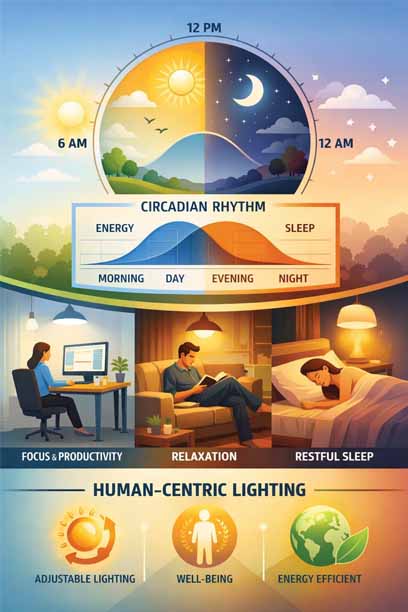
- Human-Centric Lighting: Designing lighting environments that support human health, comfort, and productivity.
Together, these elements form a comprehensive framework that allows lighting designers and consultants to create environmentally responsible lighting systems.
Energy Efficiency and Environmental Impact
Energy consumption in buildings accounts for a significant portion of global greenhouse gas emissions, and lighting alone can represent up to 20 percent of a building’s total electricity usage. Transitioning to LED lighting can dramatically reduce this figure.
For example, when a commercial building replaces conventional fluorescent fixtures with LED luminaires, energy savings of 40–60 percent are commonly achieved. When combined with intelligent lighting controls, these savings can increase even further.
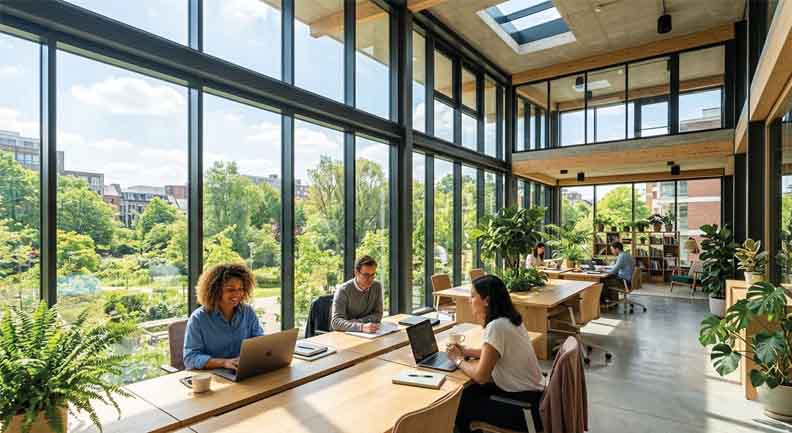
From a sustainability standpoint, reduced energy consumption directly translates into lower carbon emissions. In countries where electricity generation relies heavily on fossil fuels, this reduction plays a critical role in mitigating climate change. Even in regions with renewable energy infrastructure, energy efficiency remains essential for minimizing environmental impact.
LED lighting also reduces waste. Because LEDs last significantly longer than traditional lamps, fewer replacements are required, which in turn reduces the volume of discarded lighting products entering landfills.
Smart Lighting and Digital Integration
The convergence of LED technology with digital control systems has opened new possibilities for sustainable lighting design. Modern lighting systems can now communicate with building management platforms, occupancy sensors, and daylight sensors to create highly responsive environments.
In office buildings, for instance, occupancy sensors ensure that lights turn off automatically when spaces are unoccupied. Daylight sensors adjust artificial lighting levels based on available natural light, maintaining consistent illumination while minimizing energy consumption.
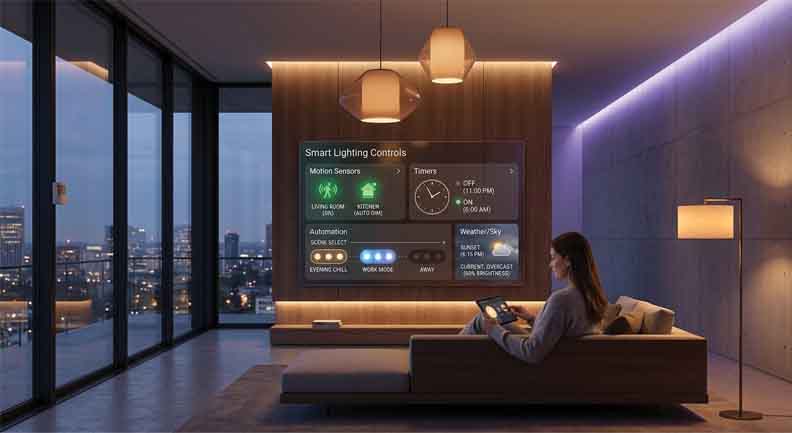
Smart lighting systems can also be programmed to follow circadian rhythms, adjusting color temperature and brightness throughout the day to support human biological cycles. This approach, often referred to as human-centric lighting, has been shown to improve mood, productivity, and overall well-being.
For lighting consultants, integrating these technologies requires careful planning. Factors such as sensor placement, control protocols, user interface design, and system interoperability must all be considered to ensure that smart lighting systems perform effectively.
Lighting in Sustainable Architecture
Lighting design is increasingly recognized as a key component of sustainable architecture. Green building certifications such as LEED (Leadership in Energy and Environmental Design) and WELL Building Standard place significant emphasis on energy-efficient lighting and occupant comfort.
In many projects, lighting consultants collaborate closely with architects, engineers, and interior designers to develop integrated solutions that align with sustainability goals. This collaborative process often begins during the early stages of building design.
One of the most effective strategies is daylight harvesting, which involves designing building layouts that maximize natural light penetration. Large windows, skylights, light shelves, and reflective surfaces can significantly reduce the need for artificial lighting during daytime hours.
However, daylight must be carefully balanced with artificial lighting to prevent glare and ensure visual comfort. Advanced lighting simulations and modeling tools allow consultants to evaluate different design options and optimize lighting performance before construction begins.
Retrofitting Existing Buildings
While new construction offers opportunities for integrated green lighting design, the majority of buildings in use today were built before LED technology became widely available. Retrofitting existing buildings therefore represents one of the most impactful strategies for improving energy efficiency.
LED retrofits can range from simple lamp replacements to comprehensive lighting system upgrades. In some cases, replacing fluorescent tubes with LED equivalents may be sufficient. In others, upgrading to entirely new luminaires and control systems may yield greater long-term benefits.
From a consultant’s perspective, retrofit projects require careful assessment of existing infrastructure, including electrical systems, fixture compatibility, and lighting layout. The goal is to maximize energy savings while maintaining or improving lighting quality.
Many governments and utility companies also offer incentives and rebates for energy-efficient lighting upgrades, making retrofits financially attractive for building owners.
Challenges and Considerations
Despite the numerous advantages of LED and green lighting, several challenges remain. One common issue is the misconception that all LED products are of equal quality. In reality, LED performance varies widely depending on factors such as chip quality, thermal management, and driver design.
Poorly designed LED fixtures may suffer from flicker, color inconsistency, or premature failure. For this reason, lighting consultants play a critical role in evaluating products and specifying high-quality luminaires that meet industry standards.
Another challenge involves balancing energy efficiency with visual comfort. Overly aggressive energy-saving strategies can sometimes result in under-lit spaces or excessive glare. Effective lighting design must therefore prioritize both sustainability and user experience.
There is also a growing need to address the issue of light pollution. Outdoor lighting, particularly in urban environments, can contribute to skyglow and ecological disruption if not properly designed. Shielded fixtures, appropriate light levels, and carefully selected color temperatures can help mitigate these effects.
The Future of Green Lighting
Looking ahead, the future of lighting will likely be defined by further integration between technology, sustainability, and human well-being. Innovations such as Li-Fi (light-based data communication), advanced OLED lighting panels, and adaptive lighting systems are already being explored.
Artificial intelligence and data analytics may also play a role in optimizing lighting performance. Smart systems could analyse occupancy patterns, energy consumption, and environmental conditions to automatically adjust lighting strategies in real time.
Meanwhile, the global push toward net-zero carbon buildings will continue to drive demand for high-efficiency lighting solutions. As energy codes become more stringent, LED lighting and intelligent controls will become standard components of building infrastructure.
Conclusion
From the perspective of a lighting consultant, the transition toward LED and green lighting represents a profound shift in the way we design and experience illuminated environments. It is no longer sufficient for lighting systems to simply provide visibility; they must also support sustainability, energy efficiency, and human well-being.
LED technology has already demonstrated its ability to dramatically reduce energy consumption while offering unparalleled flexibility and performance. When combined with thoughtful design strategies, smart controls, and sustainable materials, it forms the foundation of modern green lighting systems.
As the built environment continues to evolve, lighting professionals have a unique opportunity and responsibility to guide this transformation. By embracing innovative technologies and environmentally responsible practices, we can create lighting solutions that not only illuminate spaces but also contribute to a more sustainable future.

Sandeip Anand (M.A Lighting Design Germany) is the Director at AIMS Lighting Design, Mumbai having professional lighting experience of more than 20 years.