




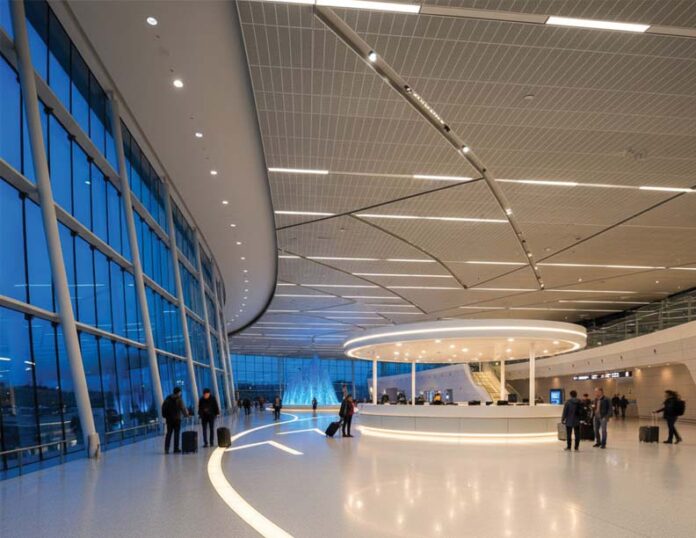
Architecture is commonly discussed through its tangible components form, material, structure, and geometry. We admire buildings for their façades, volumes, and material palettes, often celebrating what is immediately visible.
Yet, beneath these physical expressions lies an intangible force that quietly determines how architecture is perceived, experienced, and remembered: light. In many ways, lighting functions as the silent architect an invisible design layer that completes architecture without ever announcing its presence.
When lighting is thoughtfully designed, it dissolves into the background, allowing spaces to feel natural, intuitive, and emotionally balanced. When it is ignored or poorly executed, its absence becomes immediately noticeable. This paradox where light is most powerful when unseen is what makes lighting design one of the most subtle yet impactful disciplines in architecture.
Light as a Design Language

For decades, lighting was treated primarily as a technical necessity something required to ensure visibility after sunset. It was often considered late in the design process, specified through generic fixtures, and valued mainly for its ability to meet minimum lux levels. However, contemporary architectural practice has fundamentally changed this perception.
Today, light is no longer just illumination; it is a design language in its own right. Through the careful orchestration of intensity, direction, beam spread, colour temperature, and contrast, lighting shapes spatial narratives. It defines edges where none physically exist, emphasizes architectural rhythm, and introduces layers that enrich spatial experience.
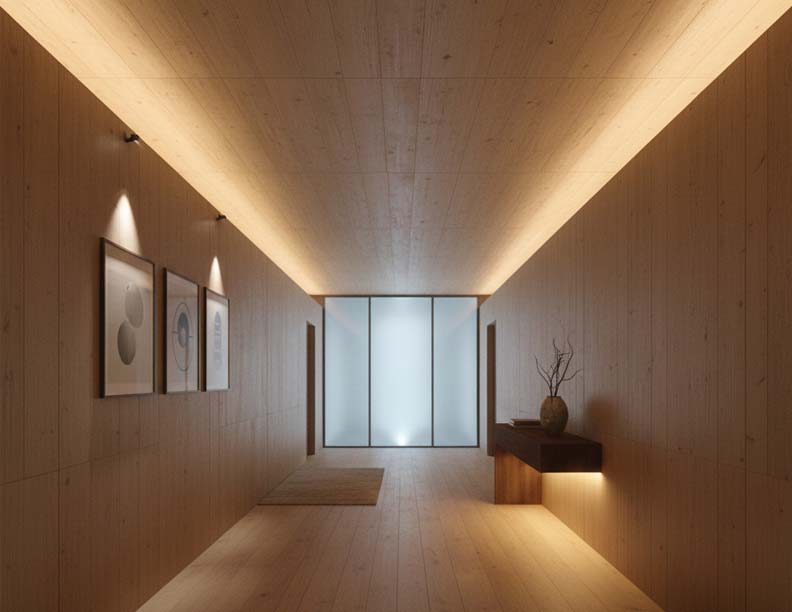
A narrow beam can visually elongate a corridor, encouraging movement and focus. A soft, indirect wash can lift a ceiling, creating a sense of openness and calm. Strategic shadows can carve depth into flat surfaces, giving them texture and presence. Without altering a single brick, beam, or finish, lighting can completely transform the way a space is understood.
In this context, lighting does not merely support architecture it interprets it. It reads the architect’s intent and translates it into experience.
The Invisible Power of Light
One of the most remarkable qualities of lighting is its ability to manipulate perception without conscious awareness. Human beings respond instinctively to light, often forming impressions of spaces long before they can articulate why those spaces feel comfortable, dramatic, or unsettling.
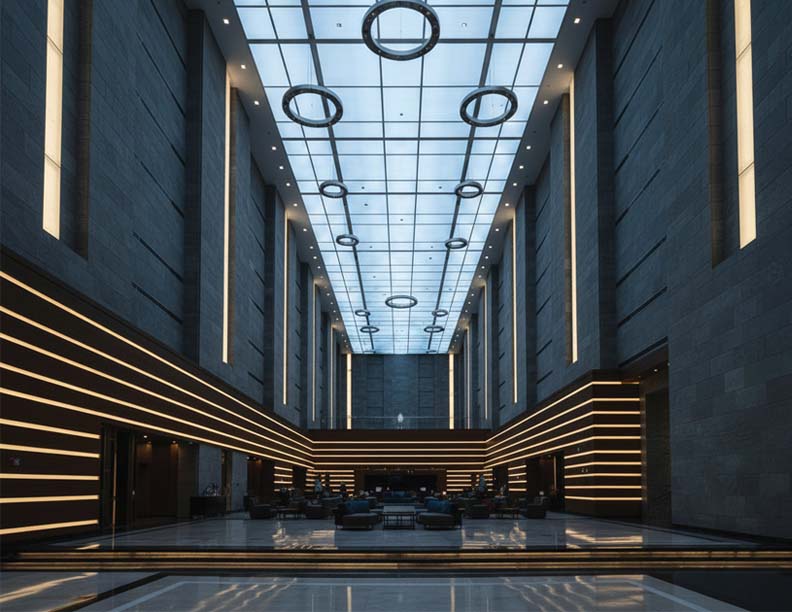
Lighting has the power to influence scale and proportion. Brightly illuminated ceilings create a sense of openness and vertical expansion, while darker ceilings bring intimacy and enclosure. Vertical illumination emphasizes height, lending grandeur to lobbies or atriums, while horizontal lighting stretches width, making narrow spaces feel more generous.
Materiality, too, is deeply affected by light. Stone can feel heavy and monumental when lit from below, or refined and delicate when grazed softly from the side. Wood can appear warm, rich, -and tactile under carefully balanced light, or flat and lifeless if illuminated poorly. Even the most premium materials lose their impact when lighting fails to reveal their texture and depth.
Perhaps most importantly, lighting establishes visual hierarchy. By accentuating certain elements and allowing others to recede, light tells the eye where to look and what to value. These decisions shape how spaces are experienced, even if the end user never consciously notices them. When lighting is done well, people rarely comment on it. Instead, they say, “The space feels right.”
Light as a Guide
Architecture is not static; it is experienced through movement. As people navigate buildings, they rely on subtle visual cues to understand where to go, where to pause, and where to focus. Lighting plays a critical role in this process.
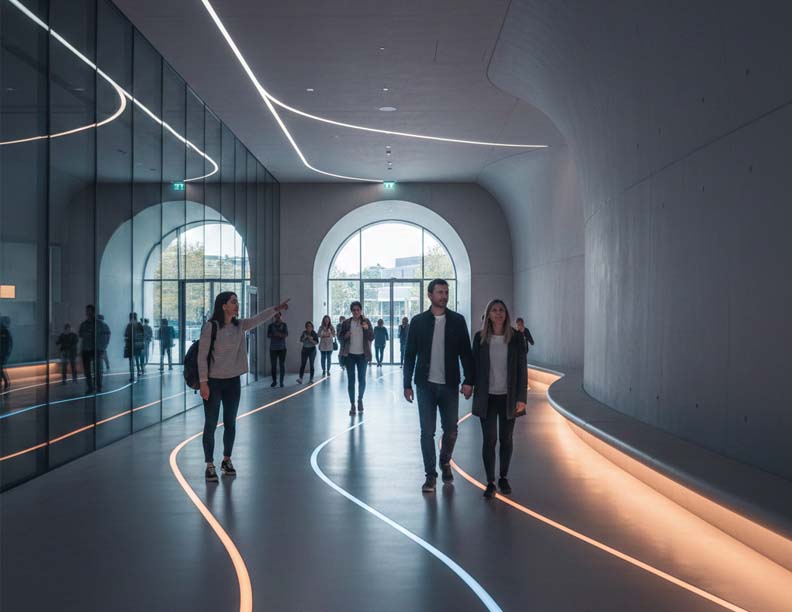
In large scale environments such as hotels, airports, hospitals, retail complexes, and museums, lighting becomes an intuitive wayfinding tool. Brighter zones signal importance entrances, reception desks, focal displays while softer lighting marks transition areas and secondary spaces. A gently illuminated pathway naturally leads the eye forward, reducing reliance on signage.
This silent guidance improves comfort and clarity. People feel less confused, more at ease, and more confident in navigating spaces. The architecture flows better because lighting provides a narrative of movement one that is understood instinctively rather than intellectually.
In well designed spaces, users may never realize they are being guided. Yet their journey feels seamless, logical, and effortless a testament to lighting’s quiet influence.
The Psychology of Light
Light has a profound impact on human psychology and physiology. It affects mood, alertness, comfort, and even behaviour. Architectural lighting, therefore, is not only about aesthetics or function it is about shaping emotional experience.
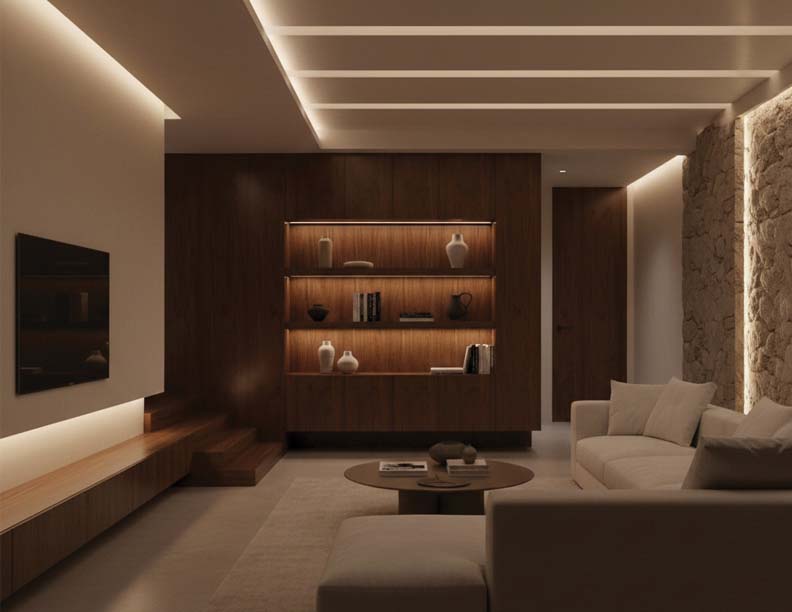
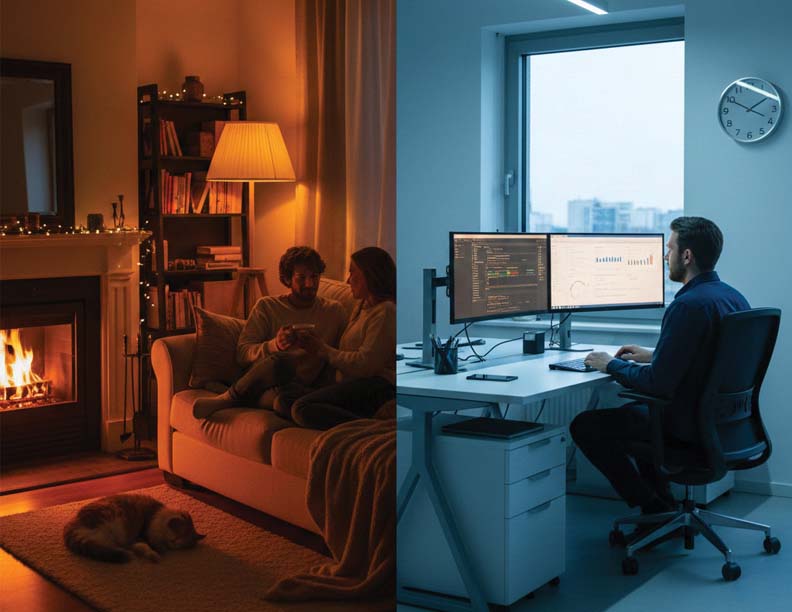
Warm lighting tends to evoke feelings of relaxation, intimacy, and comfort. It is often used in residential spaces, hospitality environments, and areas intended for rest and social interaction. Cooler lighting, on the other hand, enhances alertness and concentration, making it suitable for workplaces, educational settings, and task oriented environments.
Contrast plays an equally important role. Balanced contrast creates visual interest and calm, while excessive contrast or glare can cause discomfort, stress, and fatigue. Thoughtful lighting design considers not just how much light is needed, but how it is distributed and perceived.
In homes, lighting supports daily rhythms, transitioning from energizing brightness during the day to softer tones in the evening. In hotels, it defines luxury and comfort. In offices, it influences productivity and well being. In cultural spaces, it shapes emotion and memory.
When lighting aligns with the emotional purpose of a space, architecture becomes more humane, responsive, and meaningful.
Lighting and Architectural Identity
Every building carries an identity a story shaped by context, function, and design intent. Lighting plays a vital role in expressing that identity, particularly after dark.
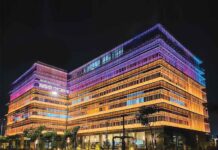
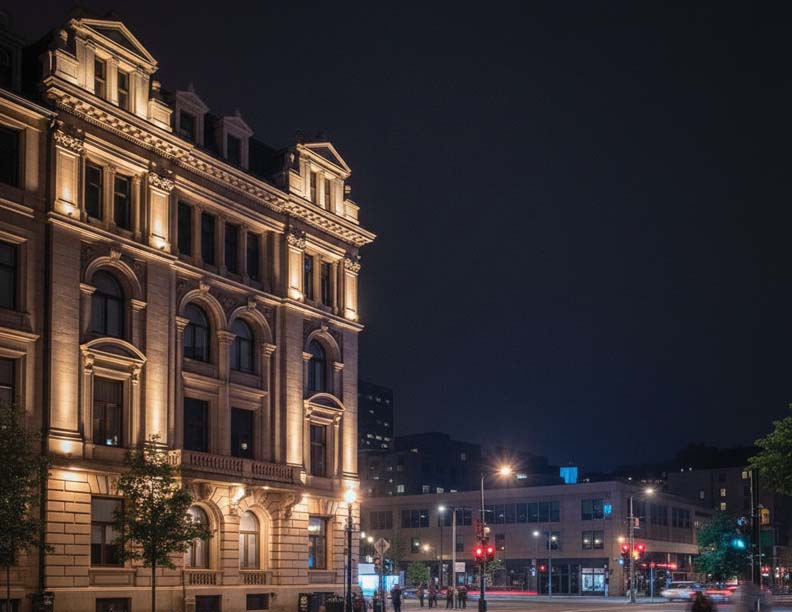
Facade lighting determines how a building communicates with its surroundings at night. When designed sensitively, it enhances form, reveals architectural rhythm, and respects context. When overdone, it overwhelms the building, distorts proportions, and diminishes architectural integrity.
The silent architect understands restraint. Lighting should highlight what deserves attention and quietly fade what does not. The objective is not to showcase lighting fixtures or create spectacle, but to allow architecture to speak clearly and confidently through light.
In this way, lighting becomes a tool for storytelling one that reinforces architectural character rather than competing with it.
The Value of Early Lighting Integration
One of the most common challenges in architectural projects arises when lighting is treated as an afterthought. When introduced late in the design process, lighting often leads to compromises both aesthetic and technical.
Early involvement of a lighting consultant allows light to be integrated into the architectural language from the outset. Ceiling depths, coves, materials, and structural elements can be designed to work harmoniously with light. This integration reduces visual clutter, minimizes execution errors, and preserves design intent.
More importantly, it ensures that lighting enhances architecture rather than fighting against it. When light is considered early, it becomes an integral part of spatial design not a layer added at the end.
Invisible Design
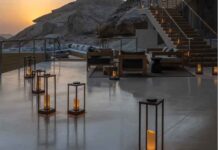
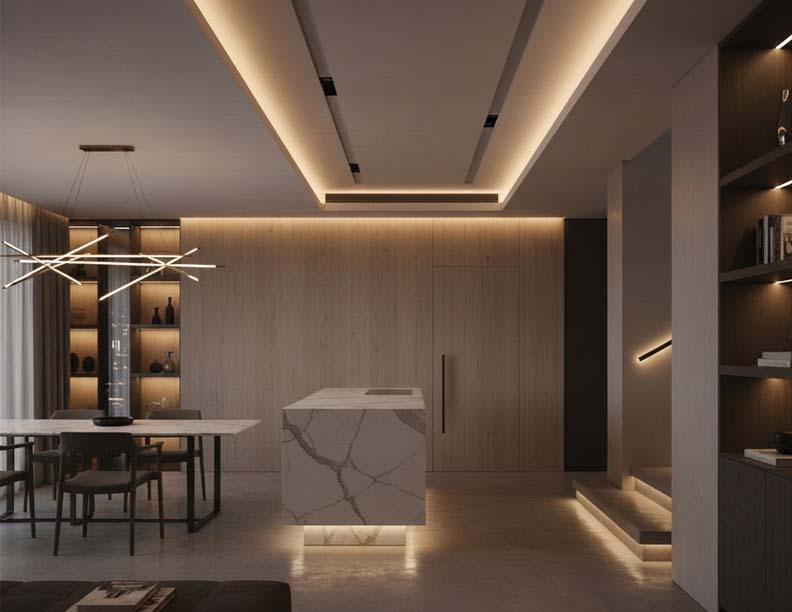
The most refined architectural lighting is often the least visible. Hidden sources, indirect illumination, and carefully concealed fixtures create spaces that feel naturally luminous rather than artificially lit.
This invisibility creates a sense of effortlessness. Users perceive comfort and balance without being aware of how it is achieved. In luxury environments especially, the absence of visible fixtures allows materials, proportions, and spatial relationships to take centre stage.
Here, lighting truly embodies its role as the silent architect supporting architecture quietly, doing its job without demanding recognition.
Sustainability Through Intelligent Lighting
Sustainable architecture cannot exist without responsible lighting design. Lighting contributes significantly to a building’s energy consumption, but when designed intelligently, it can also be a powerful tool for conservation.
By optimizing light levels, integrating daylight, selecting efficient sources, and employing smart controls, lighting design can reduce energy use without compromising comfort or aesthetics. Daylight responsive systems, occupancy sensors, and adaptive lighting strategies ensure that light is provided only when and where it is needed.
Sustainable lighting is not about reducing quality it is about achieving balance. It respects both the user and the environment, aligning performance with responsibility.
The Cost of Ignoring Lighting Design
When lighting is undervalued, the consequences are immediately visible glare, uneven illumination, visual discomfort, and compromised aesthetics. But the hidden costs are often far greater.
Poor lighting planning leads to execution errors, fixture replacements, ceiling modifications, and delayed timelines. These issues frequently cost more than investing in professional lighting design from the start.
Lighting design should therefore be seen not as an expense, but as a strategic investment one that protects architectural quality and ensures long term value.
Lighting as Collaboration, Not Decoration
Architectural lighting thrives on collaboration. When architects, interior designers, engineers, and lighting consultants work together, the result is cohesive, refined, and enduring.
Lighting is not decoration applied at the end of a project. It is an integral design layer that connects structure, material, and experience. The silent architect works best when invited into the conversation early and allowed to contribute meaningfully.
Conclusion
Lighting rarely receives the recognition it deserves. It does not sign drawings or occupy floor plans. Yet it defines how architecture is perceived, experienced, and remembered. It shapes emotion, guides movement, reveals form, and supports function all while remaining invisible. In a world where architecture often speaks loudly, lighting whispers. And in that whisper lies its greatest power. Lighting is the silent architect unseen, yet unforgettable.

Sandeip Anand (M.A Lighting Design Germany) is the Director at AIMS Lighting Design, Mumbai having professional lighting experience of more than 20 years.