








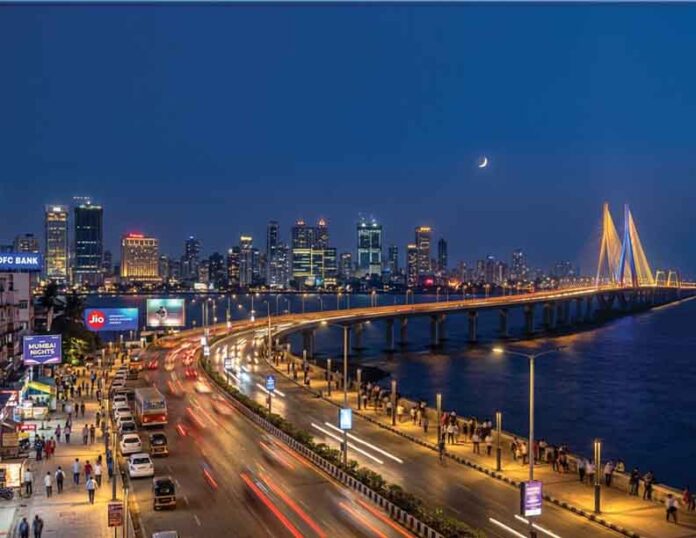
As cities continue to grow vertically and horizontally, the way they function after sunset has become as important as how they operate during daylight hours. Urban environments no longer sleep when the sun goes down. Streets remain active, public spaces continue to host social interactions, businesses operate late into the evening, and city landmarks become symbols of civic pride. In this evolving urban landscape, lighting has emerged as one of the most influential tools in shaping how cities are perceived, experienced, and navigated at night.
For decades, urban lighting was viewed primarily as a utility a means to illuminate roads and provide visibility. Today, however, lighting plays a much broader role. It contributes to public safety, reinforces cultural identity, supports economic activity, enhances tourism, and creates memorable night-time experiences. Well-designed lighting transforms cities into vibrant, inclusive, and visually engaging environments while ensuring that residents and visitors feel comfortable and secure. The modern city demands more from lighting than ever before.
Lighting and Public Safety

Safety remains the most fundamental objective of urban lighting. People naturally gravitate toward spaces where they feel secure, and lighting significantly influences this perception. Well-lit streets, parks, transit stations, pedestrian pathways, and public squares encourage people to use urban spaces confidently after dark.
However, safety is not simply achieved by increasing brightness. In fact, excessive illumination can often create discomfort, glare, deep shadows, and visual confusion. Effective lighting design focuses on visual clarity rather than intensity. The goal is to help individuals recognize faces, identify obstacles, read environmental cues, and navigate spaces comfortably.
Pedestrian-oriented lighting is particularly important in urban environments. While roads may require lighting standards focused on vehicular movement, public spaces must prioritize human experience. Proper vertical illumination allows people to see one another, fostering a sense of security and social connection.
Lighting also plays a critical role in supporting emergency services, surveillance systems, and wayfinding. Well-illuminated environments improve visibility for security personnel and help reduce opportunities for crime. More importantly, they create an atmosphere where people feel welcomed rather than intimidated.
A thoughtfully lit city communicates an unspoken message: this place is cared for, active, and safe.
Creating a Distinct Urban Identity
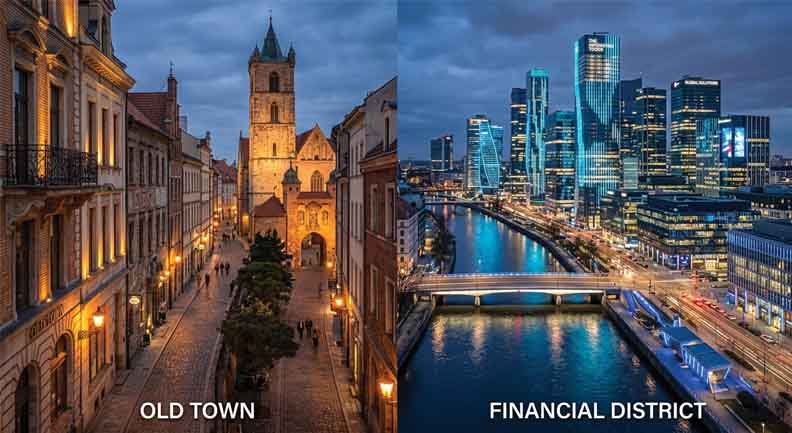
Every city has a unique story. Its architecture, history, culture, geography, and people contribute to a distinctive identity that differentiates it from countless others around the world. Lighting offers a powerful medium through which this identity can be expressed after sunset.
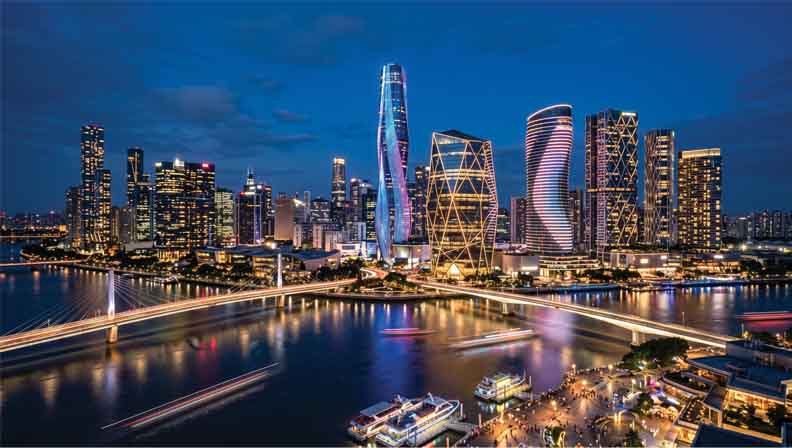
Consider iconic city skylines around the world. Their night-time presence is often defined as much by lighting as by architecture itself. Landmarks become visual anchors, guiding movement and creating memorable impressions. Bridges, waterfronts, monuments, public institutions, and heritage structures all contribute to a city’s character when illuminated thoughtfully.
The objective is not to create visual spectacle for its own sake. Rather, lighting should reveal architectural features, celebrate cultural significance, and reinforce a city’s narrative. A historic district may benefit from warm, subtle illumination that highlights heritage details, while a contemporary business district may embrace dynamic lighting strategies that reflect innovation and progress.
Cities increasingly use lighting masterplans to establish a cohesive visual language across urban districts. Through consistent design principles, municipalities can create recognizable night-time identities that support tourism, investment, and civic pride. When done correctly, lighting becomes part of a city’s brand.
Enhancing the Night-Time Economy
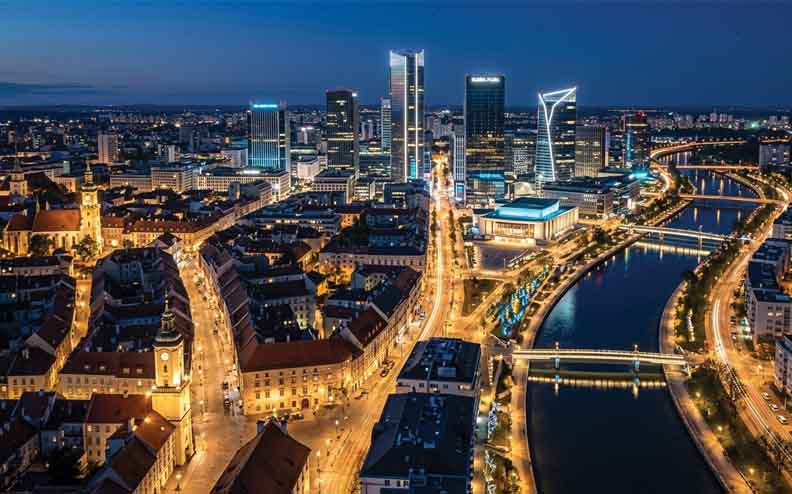
The economic impact of urban lighting is often underestimated. Vibrant night-time environments encourage people to stay longer, explore more areas, and engage with local businesses. Restaurants, retail destinations, cultural venues, entertainment districts, and hospitality establishments all benefit from attractive and inviting public spaces.
The concept of the “night-time economy” has gained increasing attention among urban planners and policymakers. Cities that invest in high-quality public realm lighting often experience greater pedestrian activity and stronger commercial performance after dark.
Lighting contributes to this by creating comfort and visual interest. Attractive plazas encourage gathering, illuminated waterfronts invite leisurely walks, and well-lit streets promote exploration. These experiences translate into economic opportunities for businesses operating within these areas.
Tourism also benefits significantly. Many cities now view their night-time appearance as a key component of destination branding. Visitors often experience major landmarks during evening hours, making lighting an essential part of their perception of a city.
The success of many urban regeneration projects can be attributed in part to strategic lighting interventions that transformed neglected areas into vibrant destinations.
Human-Centric Lighting and Urban Well-Being
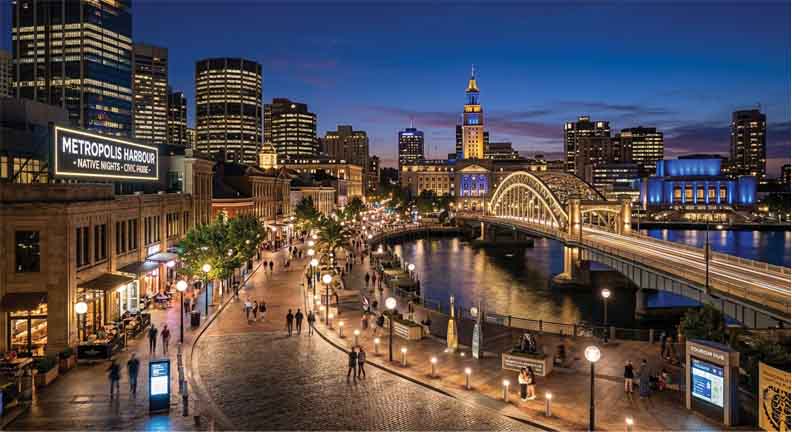
As our understanding of light’s impact on human health continues to evolve, cities are increasingly embracing human-centric lighting principles. Research has shown that light affects not only vision but also mood, behaviour, alertness, and overall well-being.
Urban lighting should support both activity and comfort. Spaces intended for social interaction may require warm, inviting illumination, while transit hubs may benefit from brighter, more stimulating lighting that enhances alertness and orientation.
Designers must consider how people emotionally respond to illuminated environments. The quality of light, color temperature, uniformity, and contrast all influence perception. A beautifully illuminated public square can foster community engagement, while poorly designed lighting may create discomfort and discourage use.
Human-centric urban lighting recognizes that cities are ultimately designed for people. Technology and infrastructure serve a purpose, but the success of any lighting strategy is measured by how individuals experience the environment.
The most successful urban spaces are those where people feel comfortable spending time after dark.
Wayfinding Through Light
Navigating a city at night presents unique challenges. Lighting can serve as an intuitive wayfinding tool, helping residents and visitors understand spatial relationships and move confidently through urban environments.
Strategically illuminated landmarks often act as visual reference points. Distinct lighting treatments can differentiate districts, identify major routes, and highlight important destinations. Public transportation facilities, civic buildings, and cultural institutions can be integrated into a broader lighting hierarchy that improves orientation.
Rather than relying solely on signage, cities can use light itself to guide movement. Continuous illumination along pedestrian corridors, accent lighting on pathways, and visual cues at decision points all contribute to a more intuitive urban experience.
This approach is particularly valuable in large mixed-use developments, waterfront districts, transport hubs, and tourism destinations where visitors may be unfamiliar with their surroundings. Wayfinding through lighting creates clarity without clutter.
Sustainability and Responsible Illumination
As cities strive to meet environmental goals, sustainability has become a central consideration in lighting design. Urban lighting systems consume significant energy, making efficiency and responsible design critical priorities.
The widespread adoption of LED technology has dramatically reduced energy consumption while improving performance and control capabilities. However, sustainability extends beyond energy savings alone.
Responsible lighting design seeks to minimize light pollution, reduce sky glow, and protect ecological systems. Excessive artificial light can disrupt wildlife, affect ecosystems, and diminish the visibility of the night sky.
Modern lighting strategies emphasize precision. Light should be directed only where it is needed, avoiding unnecessary spill and glare. Smart controls, adaptive lighting systems, occupancy sensors, and dimming schedules allow cities to optimize energy use while maintaining safety and comfort.
The future of urban lighting lies in achieving a balance between functionality, beauty, and environmental responsibility. A sustainable city is not necessarily a brighter city it is a smarter one.
Technology Shaping the Future of Cities
Advancements in technology are rapidly transforming the possibilities of urban lighting. Smart city initiatives increasingly integrate lighting infrastructure with digital networks, sensors, and data-driven management systems.
Connected lighting systems can monitor energy usage, adjust illumination levels based on activity patterns, and provide valuable operational insights. Some cities are leveraging lighting poles as multifunctional infrastructure supporting Wi-Fi, environmental monitoring, traffic management, and public communication systems.
Dynamic lighting allows cities to adapt to different events, seasons, and celebrations while maintaining a consistent design framework. Public spaces can evolve throughout the year, creating engaging experiences without extensive physical interventions.
Artificial intelligence and predictive analytics may soon enable urban lighting systems to respond proactively to changing conditions, further improving efficiency and user experience.
Technology, however, should remain a tool rather than an objective. Successful urban lighting continues to be grounded in human needs and design principles.
Designing Cities After Dark
Historically, city planning focused predominantly on daytime conditions. Yet nearly half of urban life occurs after sunset. This reality has prompted designers, planners, architects, and lighting consultants to reconsider how cities are experienced during the night.
The emerging discipline of night-time urbanism recognizes darkness not as an absence of activity but as an opportunity to create meaningful experiences. Lighting becomes an essential layer of urban design one that influences perception, behavior, safety, and identity.
When integrated early into planning processes, lighting can shape public spaces as effectively as architecture, landscaping, or infrastructure. It has the power to transform underutilized areas into active destinations, celebrate cultural heritage, and strengthen community engagement.
Ultimately, great urban lighting is not about making cities brighter. It is about making them better.
Conclusion
The role of lighting in contemporary cities extends far beyond illumination. It is a strategic tool that enhances safety, reinforces identity, supports economic growth, improves well-being, and creates memorable night-time experiences. As urban populations continue to grow and cities become increasingly active around the clock, thoughtful lighting design will play an even greater role in shaping how people interact with the built environment.
The cities that thrive in the future will not simply be those with impressive skylines or advanced infrastructure. They will be the cities that understand the value of light using it intelligently, sustainably, and creatively to create places where people feel safe, connected, and inspired long after the sun has set.

Sandeip Anand (M.A Lighting Design Germany) is the Director at AIMS Lighting Design, Mumbai having professional lighting experience of more than 20 years.