








What are the fundamental elements that define effective and intelligent lighting design?
Effective lighting design is ultimately about shaping experiences with precision, restraint, and intent for people who are using and living the space. At its core, it begins with a deep understanding of the architecture, the function of the space, and the emotional response it shall evoke.
The essential elements include visual comfort, controlled contrast, high-quality colour rendering, layered illumination, and thoughtful integration of daylight as well as artificial light. Beyond these fundamentals, intelligent lighting design also considers adaptability, energy performance, maintenance, and long-term relevance. In my view, truly effective lighting is never merely decorative — it is strategic, contextual, and human-centered.
How do you strike the right balance between aesthetics, functionality, and energy efficiency in contemporary lighting projects?

A successful lighting scheme must first perform flawlessly in terms of visibility, comfort, and usability. It then elevates the spatial experience through elegance, atmosphere, and architectural clarity. And it must do all of this with responsible energy consumption.
The balance is achieved when these three priorities are treated not as competing agendas, but as complementary outcomes of good design.
This is where design discipline becomes critical. Through precise luminaire selection, optical control, layered scenes, intelligent dimming, occupancy strategies, and daylight integration, one can achieve both refinement and efficiency. The best contemporary projects are those where sustainability enhances design quality rather than constraining it.
In your opinion, what are the key psychological and biological impacts of well-designed indoor lighting?
Lighting has a profound influence on how people feel, behave and perform.
Psychologically, it affects mood, focus, comfort, and the perceived quality of a space. It can create a sense of calm, sophistication, energy or intimacy depending on how it is composed. Poor lighting, on the other hand, introduces fatigue, visual stress, and disengagement.
Biologically, lighting interacts directly with the human circadian system. It influences sleep-wake cycles, alertness, hormonal regulation, and overall well-being. This is why lighting design today is increasingly inseparable from health and performance. A welldesigned environment does more than illuminate — it supports human rhythm, supports productivity, and contributes to a healthier indoor experience.
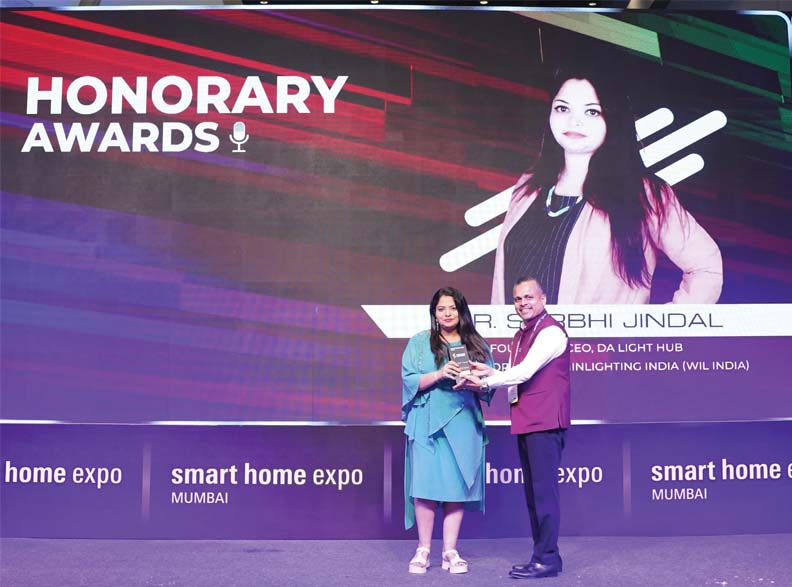
Messe Frankfurt India
Do you believe that existing certification and compliance norms sometimes limit creativity and innovation in lighting design?
There are moments when compliance frameworks can feel restrictive, particularly when they are applied without sensitivity to context or design intent. However, I would not view them as a limitation to creativity so much as a necessary structure within which excellence must be achieved.
Standards exist to safeguard performance, safety, and consistency. The real opportunity lies in interpreting those requirements with intelligence and imagination. Innovation often emerges not in spite of constraints, but because of them. A strong designer understands how to work within the framework while still delivering something distinctive, refined, and relevant.
Could you share one of the most challenging aspects on a project you have worked on and explain what made it particularly demanding?
Some of the most demanding projects are those where the architectural ambition is high, but the physical or operational constraints are equally significant. For example, a project with limited ceiling voids, mixed-use functions, complex stakeholder expectations, and demanding energy targets requires exceptional coordination and precision.
What makes such work challenging is not just the technical complexity, but the need to reconcile multiple priorities without compromising the integrity of the design. It requires a balance of creativity, technical discipline, and collaboration across disciplines. In these situations, lighting is not a finishing layer — it becomes an essential part of solving the project itself.
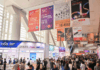
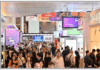
Do you believe industry platforms and exhibitions such as Light + LED Expo Mumbai 2026 play a significant role in shaping the future of lighting design in India?
Absolutely. Platforms such as Light + LED Expo Mumbai 2026 are highly influential because they do more than showcase products — they help define the direction of the industry. They bring together design professionals, manufacturers, innovators, consultants, decision-makers, all the stake-holders together in a way that accelerates knowledge exchange and market evolution.
For India, this is particularly important. The industry is moving rapidly toward smarter lighting systems, better controls, higher performance, and more human-centric lighting solutions. Exhibitions like these create visibility for these advancements and encourage a broader culture of design awareness. They help elevate lighting from a commodity conversation to a strategic design discipline.
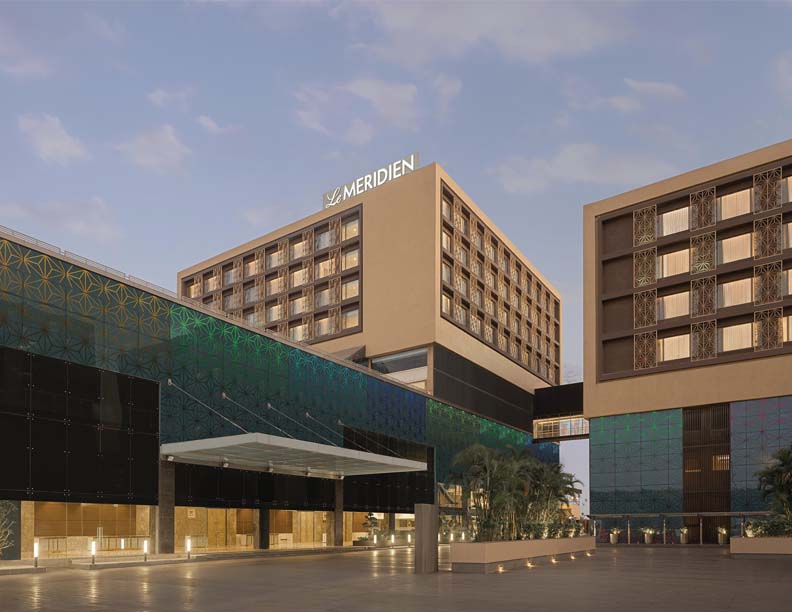
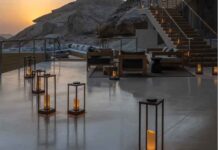
Lighting Design by – Da Light Hub
What advice would you like to offer to emerging lighting designers and new project owners entering the industry?
For emerging lighting designers, my advice is to build depth before chasing novelty. Understand the fundamentals of light — optics, color, perception, controls, daylight, and human experience — and develop the discipline to apply them with clarity and restraint. Great lighting design is not about doing more; it is about doing what is necessary with exceptional precision.
For project owners, I would strongly encourage viewing lighting as a long-term value driver rather than a line item to be optimized at the end of a project. When lighting is considered early, it can fundamentally improve the architecture, the user experience, and the operational performance of a space. The best outcomes are always achieved when design intent, technical quality, and business priorities are aligned from the outset.